
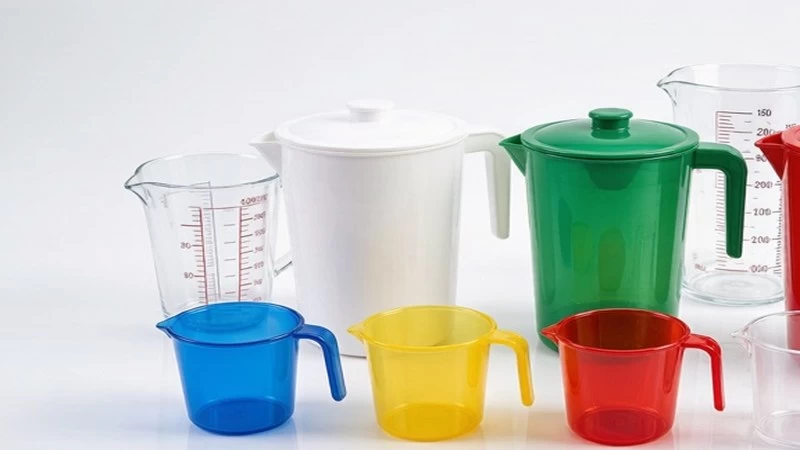
Plastic Mixing Cups: Specifications and Procurement Guide
In This Guide
Common Materials and Their Trade-Offs
The two dominant resins for mixing cups are polypropylene (PP) and polyethylene (PE). Each has strengths depending on the intended contents.
| Material | Clarity | Chemical Resistance | Best Use |
|---|---|---|---|
| PP (Polypropylene) | Translucent | Good for solvents, paints, resins | Paint, epoxy, industrial mixing |
| PE (Polyethylene) | Opaque | Good for acids, bases, food | Food, lab, light chemical |
| PS (Polystyrene) | Clear | Limited solvent resistance | Lab, low-cost measuring |
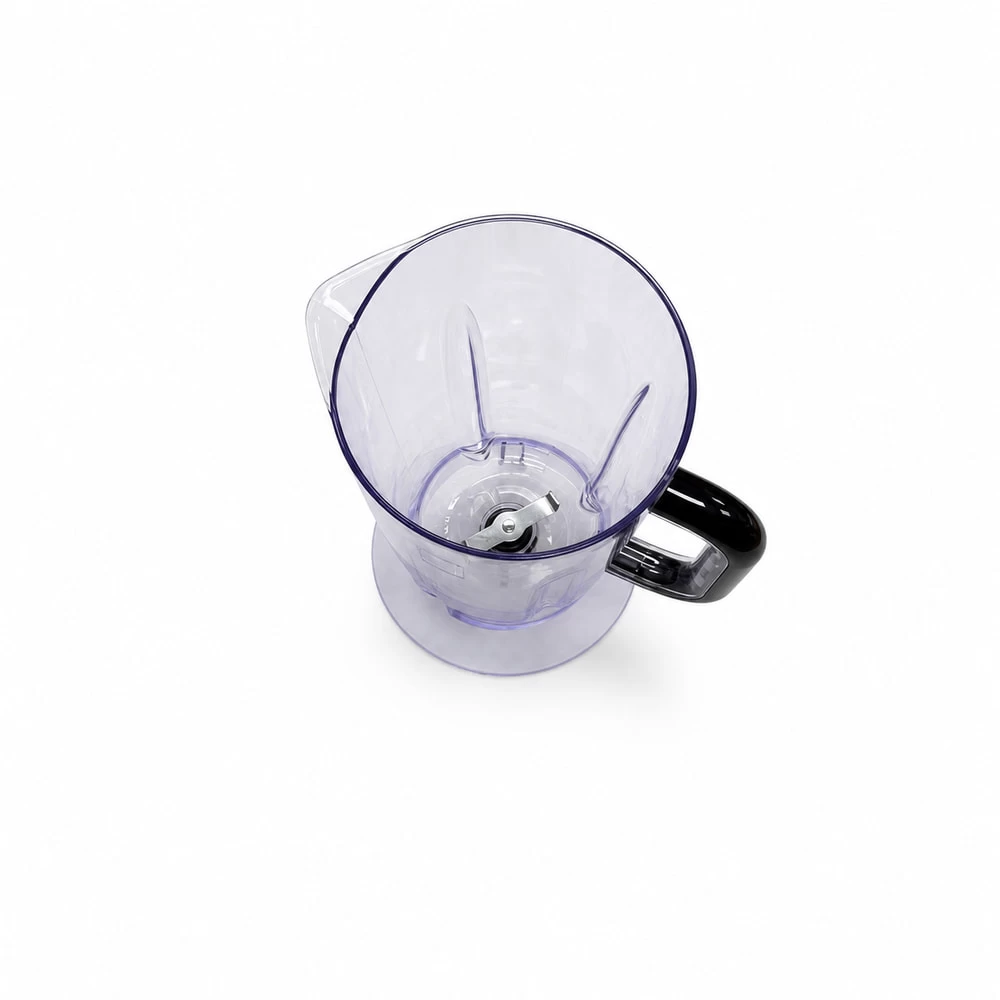
Graduated plastic mixing cups — solvent-resistant PP construction
Graduation Accuracy and Printing
Graduation marks must be legible and accurately positioned. For paint and epoxy applications, the tolerance on volume marks is typically ±2 percent. Confirm whether graduations are screen-printed, pad-printed, or in-mold labeled — each has different durability against solvents.
Volume Sizes and Packaging
Mixing cups come in standard sizes from 100 ml to 5 liters. For US distribution, common sizes align with fluid ounce graduations. Confirm the measurement system (metric, imperial, or dual) and ask about nested packaging to reduce shipping volume.
- 100 ml – 500 ml: small batch mixing, lab use
- 1 liter – 2 liter: paint, epoxy, automotive coatings
- 3 liter – 5 liter: construction and industrial mixing
Wall Thickness and Structural Integrity
A cup that deforms when filled with liquid causes inaccurate measurement and spills. Wall thickness for a 1-liter cup typically runs 0.8 to 1.2 mm. Request a sample to test rigidity with your intended contents at various fill levels.
Graduation detail — legible solvent-resistant printing
Regulatory Compliance for US Market
If cups contact food, confirm FDA-compliant resin. For paint and industrial use, Prop 65 labeling may apply depending on the resin and additives. Verify the supplier provides material certificates and compliance documentation.
Hengmei Plastic Products manufactures mixing cups in multiple sizes with solvent-resistant graduations and consistent wall thickness for export markets.
Frequently Asked Questions
Can I order mixing cups with my own brand and graduation design?
Yes. Custom graduation, logo printing, and color are possible. Provide artwork files and confirm minimum order quantity for custom printing.
What is the typical MOQ for plastic mixing cups?
MOQ varies by size and customization. For standard cups, expect 5,000 to 10,000 pieces per size. Custom printing or colors may require higher minimums. Confirm with the supplier based on your specification.
Are the cups reusable or disposable?
PP mixing cups are durable enough for limited reuse with compatible liquids, but most are sold as disposable for paint and epoxy applications. Confirm intended use with the supplier to select the right material and wall thickness.
How are mixing cups packaged for shipping?
Cups are nested and packed in cartons or poly bags. Nested packaging reduces volume but requires careful stacking to prevent deformation. Confirm export packaging with the supplier.
Do you provide dual metric and imperial graduations?
Yes, dual-scale graduations are available. Specify the measurement system and graduation intervals in your specification.
Key Takeaways
Specifying the right mixing cup means matching material to contents, verifying graduation accuracy, and confirming wall thickness for structural integrity. Request samples, test with your actual liquids, and verify regulatory documentation before placing a production order.
Get a Mixing Cup Quotation
Provide your size, material, and volume requirements for a detailed quote.
To get an accurate quote, include these details in your inquiry:
- Cup sizes and volumes
- Material preference (PP/PE/PS)
- Graduation type (metric/imperial/dual)
- Custom printing or branding
- Annual volume
- Destination port
Send your specifications to Hengmei Plastic Products and receive a tailored quotation.