Medical Device Plastic Accessories: Supplier and Regulatory Considerations
In This Guide
ISO 13485 Quality Management
A supplier producing medical device components should hold ISO 13485 certification. This standard requires documented design controls, risk management, traceability, and validated processes. Request the current certificate and scope to confirm it covers injection molding of medical components.
Material Selection and Biocompatibility
Materials contacting patients or body fluids require biocompatibility testing per ISO 10993. Common medical-grade resins include:
| Resin | Application | Biocompatibility Notes |
|---|---|---|
| Medical PC | Housings, connectors | USP Class VI grades available |
| Medical PP | Syringes, containers | Common for single-use items |
| PEEK | Surgical instruments | Sterilizable, high strength |
| TPE | Grips, seals | Skin-contact grades available |
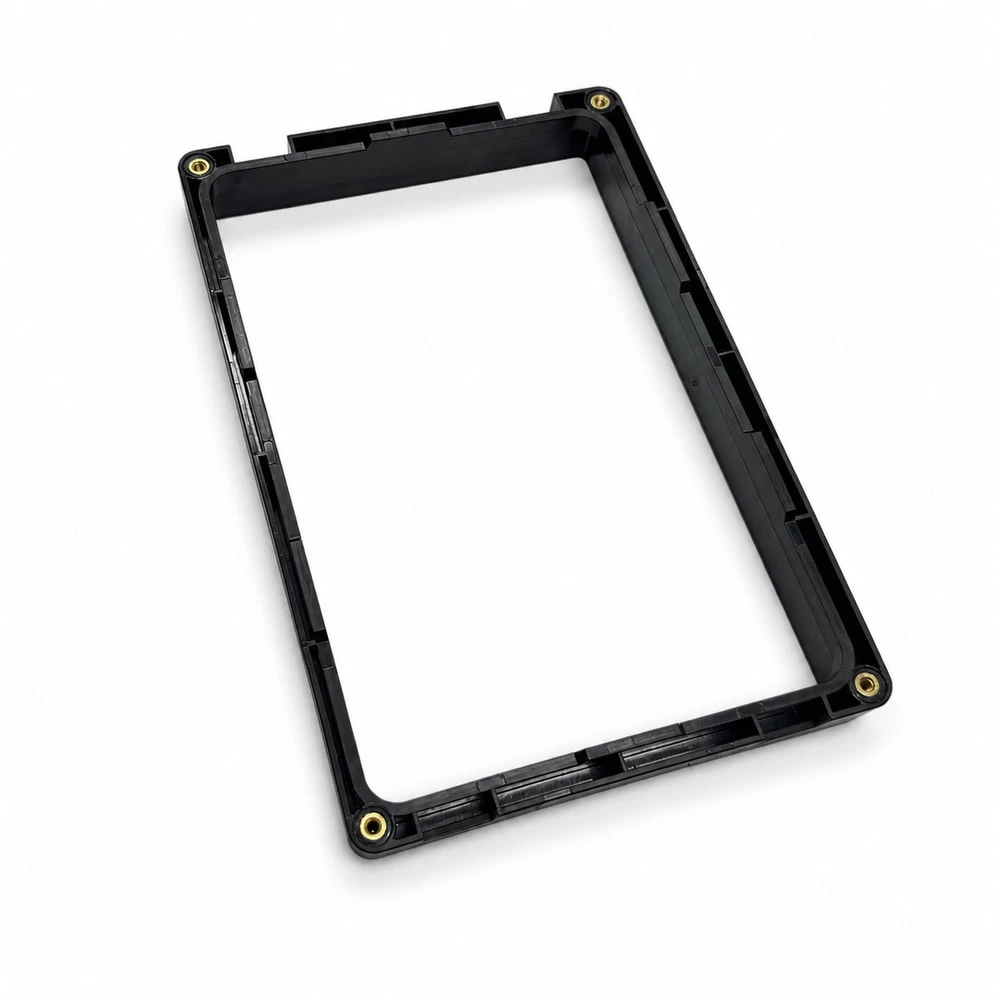
Medical equipment plastic accessories — precision molding for healthcare applications
Production Environment Controls
Not all medical parts require cleanroom molding, but those with contamination limits do. Confirm whether your part needs ISO Class 7 or Class 8 cleanroom production. Even without cleanroom requirements, controlled environment molding with documented cleaning and packaging procedures is standard for medical components.
Process Validation
Medical molding often requires process validation per IQ/OQ/PQ protocols. Confirm the supplier can provide Installation Qualification, Operational Qualification, and Performance Qualification documentation for the molding process. This is mandatory for FDA-regulated device components.
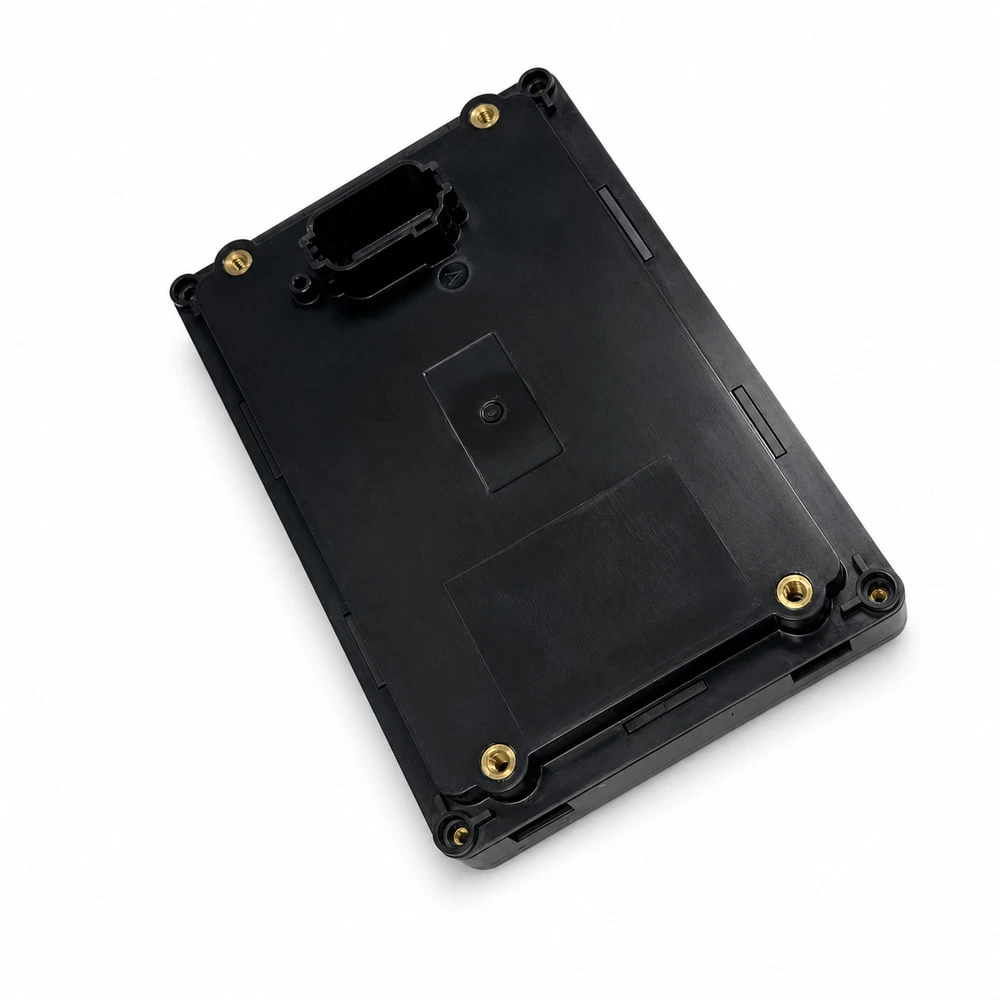
Component detail — dimensional accuracy for medical assemblies
Traceability and Documentation
Each production lot must be traceable from resin lot to finished part. Confirm the supplier maintains lot records, material certificates, and production logs. This traceability supports field actions and adverse event reporting if required.
- Resin lot number and supplier
- Production date and machine number
- Operator and inspection records
- Packaging and sterilization compatibility (if applicable)
Supplier Qualification Process
Beyond certification, conduct a supplier audit or request an audit report covering quality system review, process capability, and previous medical device experience. A supplier new to medical molding may need additional support to meet documentation expectations.
Hengmei Plastic Products produces medical equipment accessories with optical measurement and quality inspection capabilities. Confirm specific regulatory requirements with the supplier based on your device classification.
Frequently Asked Questions
Is ISO 13485 mandatory for medical device plastic parts?
It is not legally mandatory for the component supplier in all cases, but most US medical device companies require it as a supplier qualification. FDA expects the device manufacturer to control suppliers, and ISO 13485 is the most common evidence of capability.
Do I need to provide the biocompatibility test data?
Biocompatibility responsibility depends on your agreement. Some resin suppliers provide ISO 10993 data for specific grades. Confirm with the molding supplier whether they source pre-tested medical-grade resin or whether you arrange testing.
What is the typical lead time for validated medical molding?
Tooling takes 30 to 60 days. Process validation adds 2 to 4 weeks. First production run after validation typically ships 10 to 14 days after approval. Confirm the timeline with your supplier during quoting.
Can the supplier handle cleanroom packaging?
Some suppliers offer cleanroom or controlled environment packaging. Confirm the cleanliness class and packaging method (double-bagged, sterilizable pouches) with the supplier.
Key Takeaways
Medical device plastic accessories require ISO 13485 suppliers, biocompatible materials, validated processes, and full lot traceability. Invest in supplier qualification and process validation before production to ensure FDA compliance and patient safety.
Discuss Your Medical Component Project
Send your device classification and material requirements for a manufacturing capability assessment.
To get an accurate quote, include these details in your inquiry:
- Part drawings and 3D data
- Device classification (Class I/II/III)
- Material and biocompatibility requirements
- Cleanroom requirements
- Annual volume
- Validation documentation needed
Send your specifications to Hengmei Plastic Products and receive a tailored quotation.