Flexible Batch Production: Prototypes to Volume in One Facility
In This Guide
What Is Flexible Batch Production?
Flexible batch production means a factory can run different order sizes — from a few hundred prototype parts to hundreds of thousands of production units — using the same mold and material. This requires:
- Multiple machine tonnages to match part size and volume
- Scheduling flexibility to accommodate small and large runs
- Quick mold changeover capability
- Quality systems that work across batch sizes
Production Stages and Batch Sizes
A typical product development cycle uses different batch sizes at each stage:
| Stage | Batch Size | Purpose |
|---|---|---|
| Prototype | 50–500 pcs | Design validation, market testing |
| Pilot run | 1,000–5,000 pcs | Pre-production, process validation |
| Low volume | 5,000–20,000 pcs | Market entry, specialty products |
| Mass production | 20,000–500,000+ pcs | Full market supply |
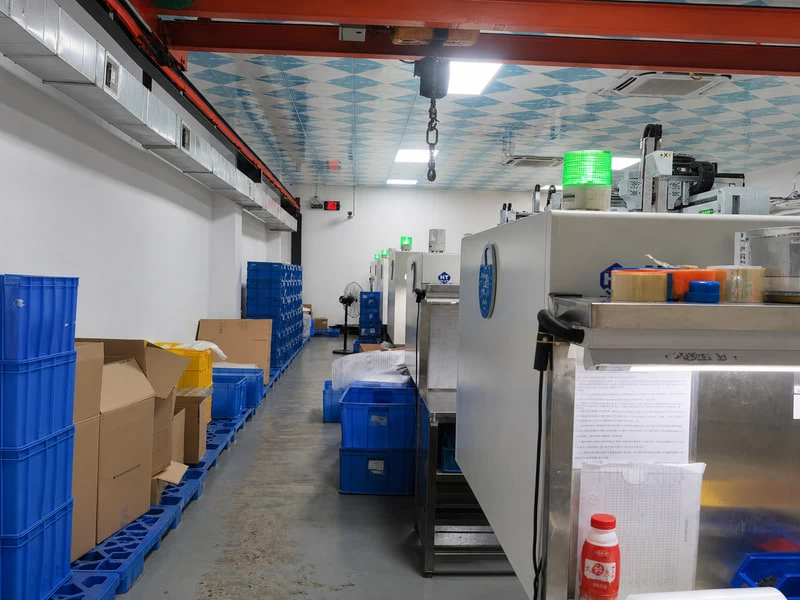
Flexible production line — accommodating various batch sizes
Benefits of Single-Facility Production
Running all stages in one facility offers advantages over splitting between prototype shops and production factories:
- No mold transfer — avoid re-qualification at a new factory
- Consistent quality from prototype to production
- Faster iteration — mold modifications happen in-house
- Lower total cost — no duplicate tooling or setup
- Simpler communication — one team manages the full project
Hengmei Plastic Products supports flexible batch production with 29 injection molding machines (60–450T), enabling prototypes, low-volume runs, and mass production in one facility.
Machine Range and Flexibility
A wide machine tonnage range enables flexibility. Small parts run on smaller machines (lower hourly cost for low volumes); large parts need bigger machines. A factory with only one machine size cannot efficiently serve diverse batch sizes.
| Machine Tonnage | Best Batch Size | Cost Efficiency |
|---|---|---|
| 60–100T (small) | 500–10,000 pcs | Low hourly rate for small parts |
| 100–200T (medium) | 5,000–50,000 pcs | Balanced for medium parts |
| 200–450T (large) | 10,000–100,000+ pcs | Efficient for large or multi-cavity |
Scheduling Considerations
Flexible production requires scheduling that accommodates both small urgent runs and large scheduled batches. Discuss with your supplier:
- Lead time for prototype vs production runs
- Scheduling priority for urgent samples
- Capacity reservation for recurring production
- Mold storage and setup time between runs
When Flexible Production Makes Sense
Flexible batch production is ideal for:
- New products with uncertain demand
- Products with seasonal volume variation
- Specialty or custom products in limited runs
- Products requiring gradual market rollout
- Programs transitioning from pilot to full production
Cost Implications
Small batches have higher per-piece cost due to setup amortization. But starting small reduces risk and inventory cost. The trade-off:
| Approach | Upfront Cost | Per-Piece Cost | Risk |
|---|---|---|---|
| Start small, scale up | Lower | Higher initially, lower at volume | Lower — validate before committing |
| Full production from start | Higher (large MOQ) | Lowest at volume | Higher — inventory risk if demand is uncertain |
Frequently Asked Questions
Can I start with 500 pieces and scale to 100,000?
Yes, if the supplier has flexible batch capability. Start with a prototype or pilot run, then scale production as demand grows. The same mold runs both stages — no re-tooling needed. Confirm scheduling availability with the supplier.
Is per-piece cost higher for small batches?
Yes. Setup cost is amortized over fewer pieces in small batches. A 1,000-piece run may cost 2–3× per piece compared to a 50,000-piece run. But small batches reduce inventory risk and allow market validation.
How quickly can I move from prototype to production?
If the production mold is already built, moving from prototype to production takes 1–2 weeks for scheduling and setup. If a new production mold is needed, add 30–60 days for tooling.
Do I need a separate prototype mold?
Not necessarily. A production mold can produce prototype quantities. However, if you want to test the design before investing in a production mold, a prototype mold (single cavity, soft steel) is faster and cheaper.
Key Takeaways
Flexible batch production lets you run prototypes, low-volume, and mass production in one facility — avoiding mold transfer and maintaining consistent quality. A wide machine tonnage range (e.g., 60–450T across 29 machines) enables this flexibility. Start small to validate demand, then scale without changing suppliers.
Plan Your Production Stages
Share your volume expectations and timeline for a flexible production plan.
To get an accurate quote, include these details in your inquiry:
- Product description
- Initial batch size needed
- Expected peak volume
- Timeline to scale
- Material and finish
- Budget structure
Send your specifications to Hengmei Plastic Products and receive a tailored quotation.