
How to Evaluate a Plastic Injection Molding Supplier in Dongguan
In This Guide
Pre-Audit: Document Review
Before visiting or commissioning an audit, verify the supplier's documentation. Request and review:
- Business license — confirms legal entity and manufacturing scope
- ISO 9001 / IATF 16949 / ISO 13485 certificates — verify scope and validity
- Factory photos and equipment list — machine tonnage, quantity, brands
- Customer references — request contacts in similar industries
- Bank account verification letter — confirms the account matches the company
On-Site Audit Checklist
If possible, visit the factory or hire a third-party auditor. Key areas to inspect:
Production Capability
Verify machine tonnage range matches your mold size. Count operating machines versus listed. Check machine age and maintenance condition. Confirm the factory runs the types of parts you need.
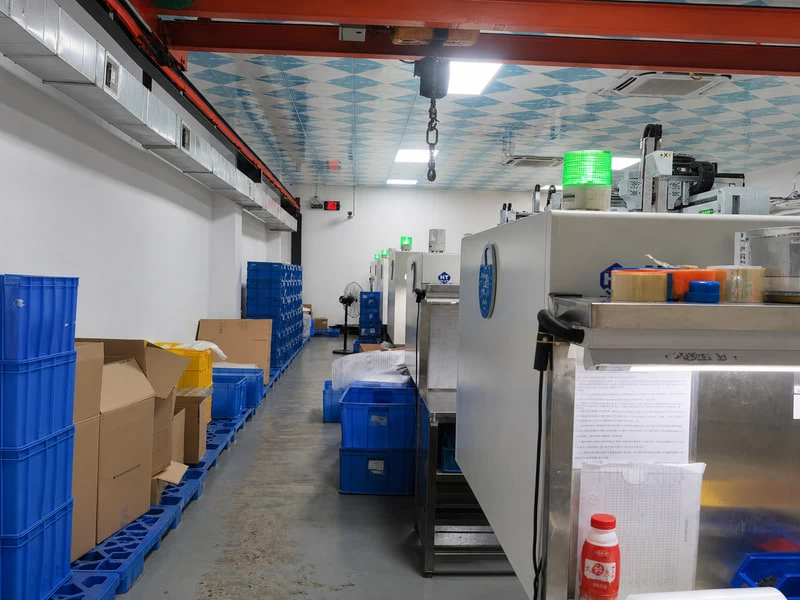
Production line audit — verify machine capability and condition
Tooling Capability
If the supplier claims in-house tooling, inspect the mold shop. Look for CNC machining centers, EDM, wire-cut, and mold assembly areas. In-house tooling reduces lead time and improves mold maintenance response.
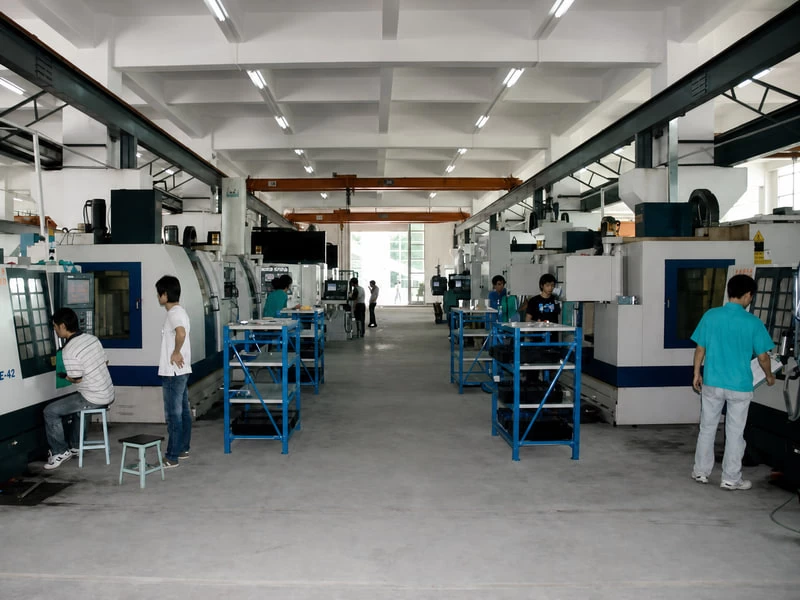
In-house mold shop — CNC, EDM, and assembly under one roof
Quality System
Review the QC lab. Look for CMM, calipers, gauges, and inspection records. Ask to see a recent FAI report and AQL sampling sheet. A factory without documented inspection records may not have a functioning QC system.
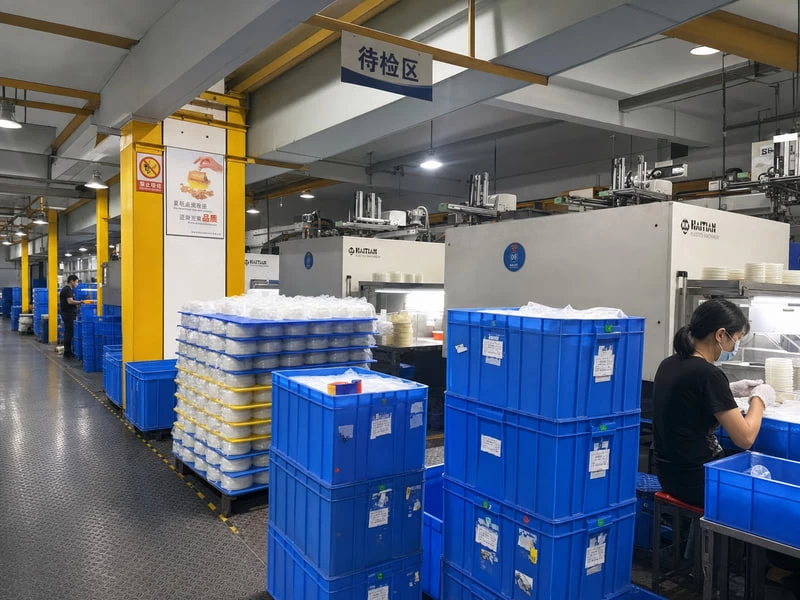
Inspection area — documented quality checks during production
Capability Verification Questions
During the audit, ask specific questions to verify real capability:
- What is your largest machine tonnage? What is the smallest?
- How many molds do you build per year?
- What materials do you run most frequently?
- Can you show me a recent FAI report for a similar part?
- What is your typical mold trial timeline?
- How do you handle mold maintenance between runs?
Red Flags During Evaluation
Watch for these warning signs that indicate risk:
- Factory cannot show production floor during visit (may be a trading company)
- Certificates are expired or do not match the company name
- No inspection records or quality documentation available
- Machine list does not match what you see on the floor
- Reluctance to provide customer references
- Prices significantly below market — may indicate quality shortcuts
Hengmei Plastic Products operates an integrated facility in Dongguan with injection molding, CNC, EDM, wire-cut, and quality inspection capabilities. Schedule a factory visit or audit to verify capabilities.
Trading Company vs Factory
Some "suppliers" are trading companies that outsource production. Trading companies can offer broader product range but less production control. Confirm whether you are dealing directly with the factory — ask to see the production floor and equipment.
Frequently Asked Questions
How long does a factory audit take?
A standard factory audit takes one full day. Allow two days for larger facilities or when reviewing multiple product lines. Third-party audits typically deliver a report within 3 to 5 business days.
Should I hire a third-party auditor?
If you cannot visit personally, yes. Third-party audit firms (SGS, Intertek, TÜV) provide structured reports covering facility, quality system, and production capability. Cost ranges from $500 to $1,500 depending on scope.
What is the difference between ISO 9001 and IATF 16949?
ISO 9001 is a general quality management standard. IATF 16949 is automotive-specific, adding requirements for PPAP, FMEA, and process control. Choose IATF-certified suppliers for automotive components.
Can I trust factory photos?
Factory photos are a starting point but not definitive proof. Request video calls showing the production floor in real time, or commission a third-party audit for verification.
Key Takeaways
Evaluating a Dongguan injection molding supplier requires document review, on-site audit, and specific capability verification. Check production, tooling, and quality systems in person. Watch for red flags like missing records or prices too low to be real. A structured evaluation prevents costly supplier failures.
Schedule a Supplier Evaluation
Request a factory audit or video call to verify our capabilities for your project.
To get an accurate quote, include these details in your inquiry:
- Your product requirements
- Audit scope needed
- Preferred audit date
- Quality standards required
- Annual volume
- Timeline
Send your specifications to Hengmei Plastic Products and receive a tailored quotation.