
Surface Finishing for Injection-Molded Parts: Electroplating, Painting, and Printing
In This Guide
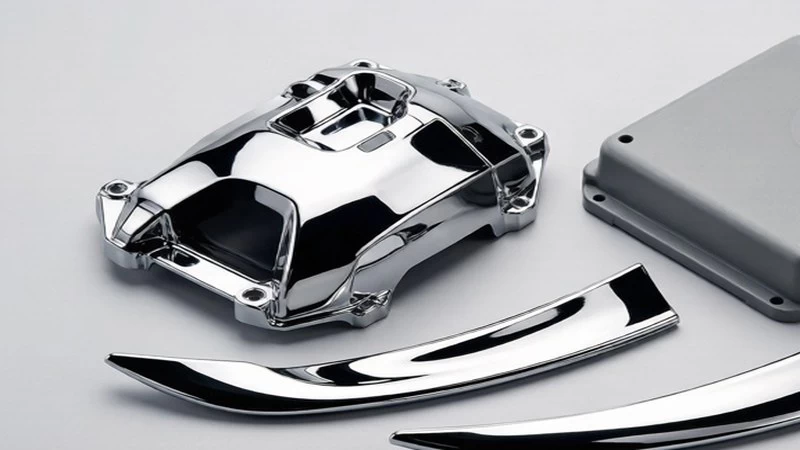
Electroplating on Plastic
Electroplating deposits a metal layer — typically chrome — on a plastic substrate. The process requires conductive pretreatment because plastic is non-conductive. ABS is the standard material for electroplated parts due to its reliable plating adhesion.
| Material | Plating Suitability | Notes |
|---|---|---|
| ABS | Excellent | Industry standard for plated plastic |
| PC/ABS | Good | Verify plating grade with supplier |
| PC | Fair | Requires special pretreatment |
| PP, PE | Poor | Generally not plated |
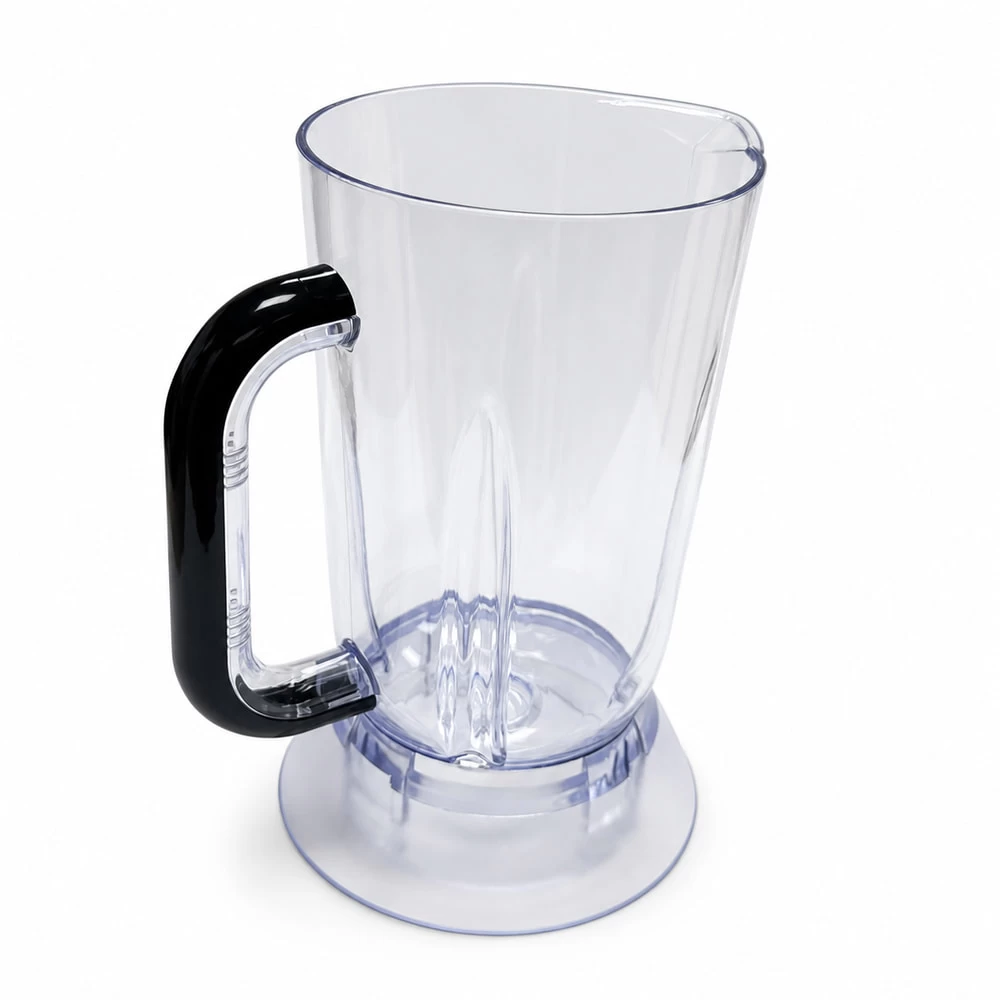
Plastic parts — substrate for electroplating and surface treatment
Painting and Coating
Painting applies color, UV protection, or soft-touch finishes to plastic parts. Common paint types include:
- UV-cured paint — fast curing, durable, used for consumer electronics
- Soft-touch paint — tactile feel for grips and handles
- Metallic paint — simulated metal appearance at lower cost than plating
- Conductive paint — EMI shielding for electronic housings
Printing Methods
Printing adds logos, text, graduations, and decorative patterns. Method choice depends on part geometry and run volume:
| Method | Best For | Limitation |
|---|---|---|
| Silk screen | Flat or slightly curved surfaces, logos | One color per pass |
| Pad printing | Curved or irregular surfaces | Small area per print |
| Hot stamping | Metallic foil, decorative trim | Flat surfaces only |
| In-mold labeling | High-volume permanent labels | Requires mold modification |
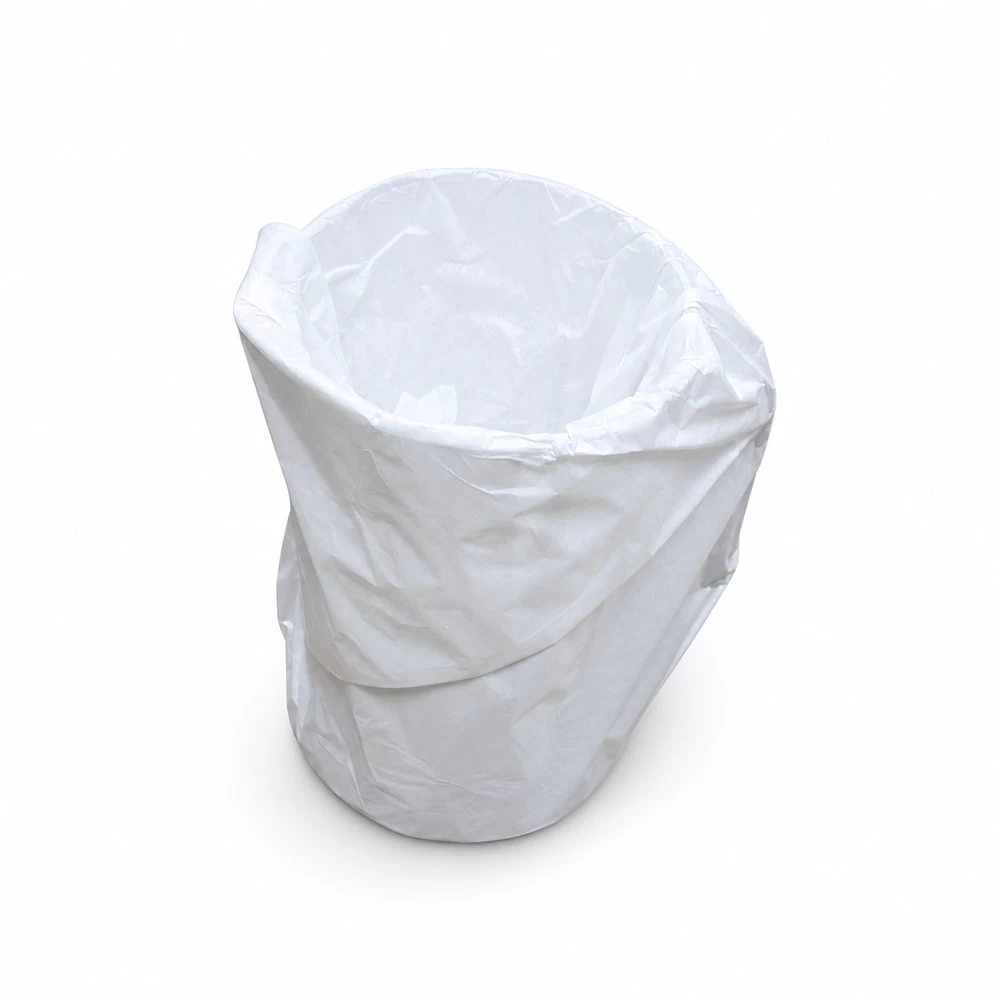
Printed graduations — solvent-resistant pad printing
Mold Texture (ETching)
Texture is applied directly to the mold surface, transferring to every molded part. Texturing eliminates the need for post-molding finishing and hides minor surface imperfections. Common textures include matte, leather grain, and geometric patterns. Texture specification follows VDI or SPI standards.
Design Considerations for Finishing
Surface finishing success depends on part design. Consider these factors:
- Wall thickness — thin walls may show paint or plating unevenly
- Parting line position — avoid placing parting lines on visible plated surfaces
- Draft angles — textured surfaces need additional draft (1° per 0.025 mm texture depth)
- Gate location — gate marks should not be on finished visible surfaces
- Sharp corners — plating builds up on sharp edges, use radii
Hengmei Plastic Products provides electroplating, painting, printing, and texturing as part of its surface finishing capabilities. Confirm the finishing method and material compatibility during quoting.
Quality Inspection for Finished Parts
Finished parts require additional inspection beyond dimensional checks:
- Adhesion testing for plating and paint (cross-hatch or tape test)
- Color matching against approved sample (Delta E measurement)
- Coverage inspection for plating uniformity
- Gloss measurement on painted surfaces
Frequently Asked Questions
Can any plastic be electroplated?
No. ABS is the standard material for electroplating. PC/ABS and some PC grades can be plated with special pretreatment. PP, PE, and most engineering resins are not suitable for plating.
How durable is electroplated chrome on plastic?
Properly plated ABS parts pass cross-hatch adhesion tests and resist normal handling. However, plated plastic can crack under severe impact. Confirm durability requirements with your supplier and request adhesion test data.
Is painting cheaper than plating?
Generally yes. Painting is faster and requires less pretreatment than plating. However, high-end paint systems (UV-cured, multi-coat) can approach plating cost. Compare total cost including inspection and rework rates.
How do I specify a color for painting?
Provide a Pantone, RAL, or physical color sample. The supplier matches the color and submits samples for approval. Confirm color under the lighting conditions where the product will be used.
Key Takeaways
Surface finishing — electroplating, painting, printing, and texturing — adds appearance, durability, and branding to molded parts. Material selection (especially ABS for plating), part design (wall thickness, draft, gate location), and quality inspection determine finishing success. Specify the finish method early and confirm material compatibility with your supplier.
Specify Your Surface Finish
Send your finishing requirements and material specifications for a treatment plan.
To get an accurate quote, include these details in your inquiry:
- Part material
- Desired finish (plate/paint/print/texture)
- Color specification
- Durability requirements
- Annual volume
- Inspection standards
Send your specifications to Hengmei Plastic Products and receive a tailored quotation.