One-Stop Manufacturing: Why Integrated Production Reduces Risk
In This Guide
What One-Stop Manufacturing Includes
A true one-stop plastic manufacturer covers the full production cycle:
- Product development — design review, material selection, DFM
- Mold design and manufacturing — CNC, EDM, wire-cut, fitting
- Injection molding — prototype, low-volume, and mass production
- Secondary processing — CNC, welding, hot melting, drilling
- Surface finishing — electroplating, painting, printing, texturing
- Quality inspection — incoming, in-process, and final
- Assembly and packaging — component assembly, export packaging
- Project management — scheduling, communication, delivery coordination
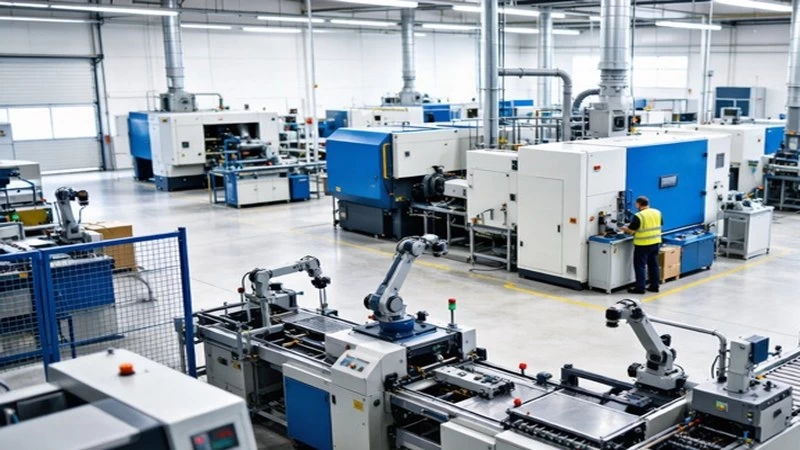
Integrated workshop — molding, secondary processing, and finishing in one facility
Risks of Multi-Supplier Sourcing
When different suppliers handle different stages, risks accumulate at each handoff:
| Risk | Cause | Impact |
|---|---|---|
| Quality inconsistency | Different standards at each supplier | Parts vary between batches |
| Communication gaps | No single point of accountability | Delays and finger-pointing |
| Transportation damage | Parts shipped between suppliers | Cosmetic defects, scrap |
| Lead time extension | Queue time at each supplier | Longer total timeline |
| Mold transfer risk | Moving mold between factories | Damage, re-qualification needed |
Benefits of Integrated Production
One-stop manufacturing eliminates handoff risks:
- Consistent quality — one quality system across all stages
- Faster problem solving — issues addressed where they occur
- Shorter lead time — no inter-supplier shipping or queue
- Lower total cost — no markups at each handoff
- Single accountability — one team owns the full project
- Better engineering feedback — mold shop communicates directly with molding
Hengmei Plastic Products provides integrated manufacturing from product development and mold making through injection molding, secondary processing, surface finishing, assembly, and export packaging.
How Integration Improves Quality
When the mold shop and molding floor are in the same facility, feedback is immediate. If a molding problem traces to mold design, the mold shop adjusts it directly — no shipping the mold to another factory. This closed-loop feedback improves both mold quality and production stability.
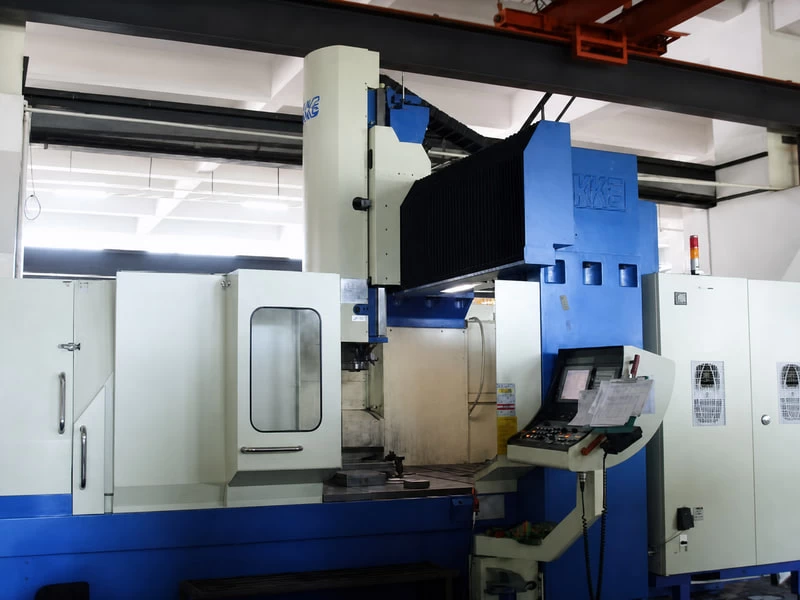
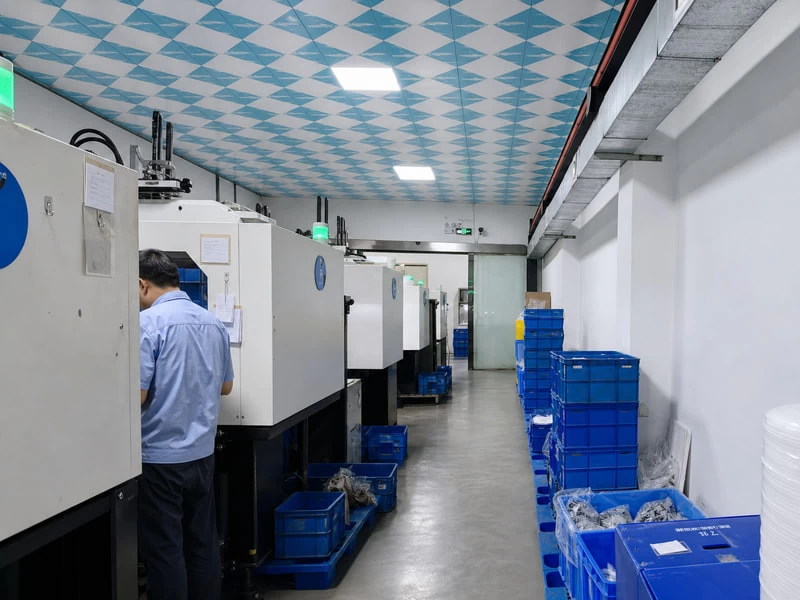
In-house mold shop — direct feedback between mold making and molding
What to Verify in a One-Stop Supplier
Not every supplier claiming one-stop capability actually has all processes in-house. Verify:
- Visit the factory or request video showing all equipment
- Confirm mold shop, molding machines, and finishing are in the same facility
- Ask which processes are outsourced vs in-house
- Check quality system documentation covers all stages
- Request references from customers using the full service
When Multi-Supplier Makes Sense
One-stop is not always the best choice. Multi-supplier may be preferable when:
- You need a specialized process the one-stop supplier lacks
- You want to diversify risk across suppliers
- You have existing relationships with specialist suppliers
- The one-stop supplier's capacity is insufficient for your volume
Evaluate the trade-off: integration reduces coordination cost but may limit specialization. For most custom plastic parts, integrated manufacturing delivers the best total value.
Project Management in One-Stop
A one-stop supplier should provide project management that coordinates all stages:
- Single point of contact for the buyer
- Production scheduling across all stages
- Progress reporting and milestone tracking
- Quality documentation for the full process
- Delivery coordination and export logistics
Frequently Asked Questions
Is one-stop manufacturing always cheaper?
Not always on a per-piece basis, but total cost is usually lower because you avoid handoff markups, transportation, and coordination overhead. Compare total landed cost, not just piece price.
How do I verify a supplier truly is one-stop?
Visit the factory or request a video tour. Confirm that mold shop, molding machines, secondary processing, and finishing are in the same facility. Ask which processes are outsourced.
Can a one-stop supplier handle all material types?
Most one-stop suppliers cover common materials (ABS, PC, PP, PA, POM). Specialized materials (PEEK, LCP) may require outsourcing. Confirm material capability during quoting.
What if I only need one stage (e.g., just molding)?
One-stop suppliers can provide individual stages. If you have an existing mold, they can run production. If you only need molding without finishing, confirm the minimum scope of work.
Key Takeaways
One-stop manufacturing consolidates product development, mold making, molding, secondary processing, finishing, and assembly under one roof. This reduces handoff risks, shortens lead time, and improves quality consistency. Verify that the supplier truly has all processes in-house, and compare total cost — not just piece price — when evaluating integrated vs multi-supplier sourcing.
Explore One-Stop Manufacturing
Discuss your full project scope and see how integrated production works.
To get an accurate quote, include these details in your inquiry:
- Product description
- Stages needed (mold/molding/finishing/assembly)
- Material and finish
- Expected volume
- Timeline
- Current supply chain challenges
Send your specifications to Hengmei Plastic Products and receive a tailored quotation.