Plastic Material Selection: PP, ABS, PC, PA, and POM
In This Guide
Quick Comparison Table
Each resin family serves different performance tiers. Here is a high-level comparison:
| Resin | Tensile Strength | Heat Resistance | Cost | Best Application |
|---|---|---|---|---|
| PP | Low-Medium | Good | Low | Packaging, containers, living hinges |
| ABS | Medium | Medium | Low-Medium | Housings, consumer products |
| PC | High | High | Medium-High | Optical, high-impact, electrical |
| PA (Nylon) | High | High | Medium-High | Mechanical, gears, structural |
| POM | High | Medium-High | Medium | Precision parts, gears, snaps |
PP (Polypropylene)
PP is lightweight, chemical resistant, and inexpensive. It is the default choice for packaging, containers, and products with living hinges. PP's flexibility limits its use in structural applications, but its cost and chemical resistance make it the volume leader in consumer and industrial products.
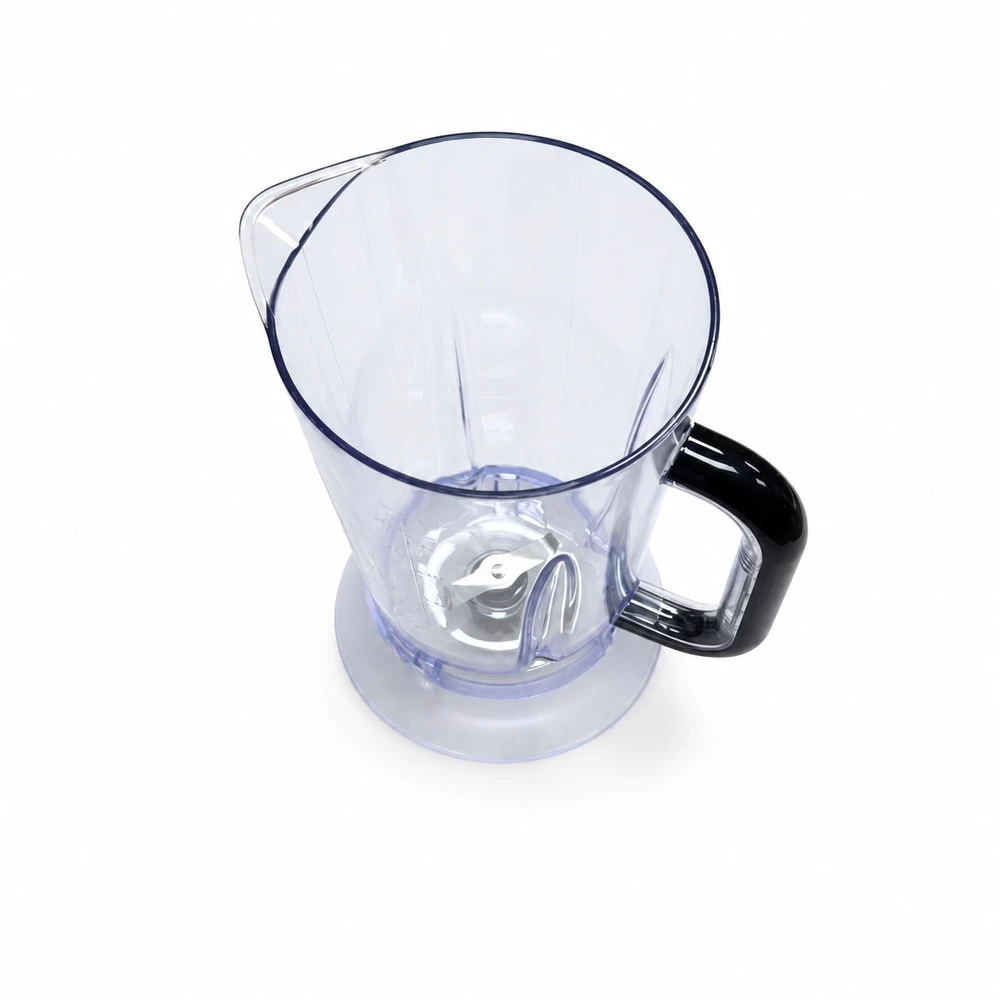
PP products — chemical resistance and cost efficiency
ABS (Acrylonitrile Butadiene Styrene)
ABS balances impact strength, rigidity, and surface finish at moderate cost. It is the standard material for consumer electronics housings, toys, and automotive interior trim. ABS molds well, accepts paint and plating, and is available in UL94 V-0 grades for electrical applications.
PC (Polycarbonate)
PC offers exceptional impact resistance, optical clarity, and high temperature performance. It is used for transparent covers, optical parts, electrical enclosures, and high-stress components. PC is more expensive than ABS and requires careful drying before molding to prevent defects.
PA (Nylon / Polyamide)
Nylon delivers high tensile strength, wear resistance, and temperature tolerance. Glass-filled nylon (PA-GF30) approaches metal in stiffness. PA is common in mechanical components — gears, brackets, clips, and structural parts. Note that nylon absorbs moisture, which affects dimensions and properties.
POM (Polyoxymethylene / Acetal)
POM excels in dimensional stability, wear resistance, and fatigue performance. It is the preferred material for precision mechanical parts — gears, snaps, bushings, and locking mechanisms. POM machines cleanly and holds tight tolerances, but it is not transparent and has limited color options.
Hengmei Plastic Products molds parts in PP, ABS, PC, PA, and POM. Confirm the material grade and additives needed for your application during quoting.
Material Selection Decision Factors
When selecting material, evaluate these factors in order of priority:
- Regulatory compliance — FDA, UL, RoHS, REACH requirements
- Mechanical load — tensile, impact, flexural requirements
- Temperature exposure — continuous and peak
- Chemical exposure — contact substances and concentration
- Outdoor use — UV stability and weathering
- Cost target — resin cost per kilogram and cycle time
Frequently Asked Questions
Which material is cheapest for injection molding?
PP is generally the lowest-cost resin. ABS is slightly higher but still economical. PC, PA, and POM are premium materials with higher per-kilogram cost. Total part cost also depends on cycle time and material yield.
Can I switch materials after tooling?
Mold shrinkage differs between materials. Switching resin may require mold dimension adjustments. Design the mold for the target material, and confirm with the mold designer if you expect to change materials.
What material is best for outdoor use?
UV-stabilized PC, ASA, or PA grades. Standard ABS degrades outdoors. Confirm the expected UV exposure duration and request weathering data for the selected grade.
Which material holds the tightest tolerances?
POM and glass-filled PA offer the best dimensional stability. Amorphous materials like PC and ABS also hold good tolerances. Confirm tolerance requirements with the mold designer during quoting.
Are food-grade versions available?
Yes. PP, PE, PC, and PET have FDA-compliant grades. Confirm the resin supplier and compliance documentation with the molding supplier.
Key Takeaways
Material selection drives part performance, cost, and compliance. Start with regulatory requirements, then evaluate mechanical, thermal, and chemical needs. PP and ABS cover most general applications; PC, PA, and POM serve demanding mechanical and high-temperature uses.
Get Material Recommendations
Describe your application and we will recommend the most suitable resin.
To get an accurate quote, include these details in your inquiry:
- Application description
- Mechanical load requirements
- Temperature range
- Chemical exposure
- Regulatory requirements
- Target cost
Send your specifications to Hengmei Plastic Products and receive a tailored quotation.